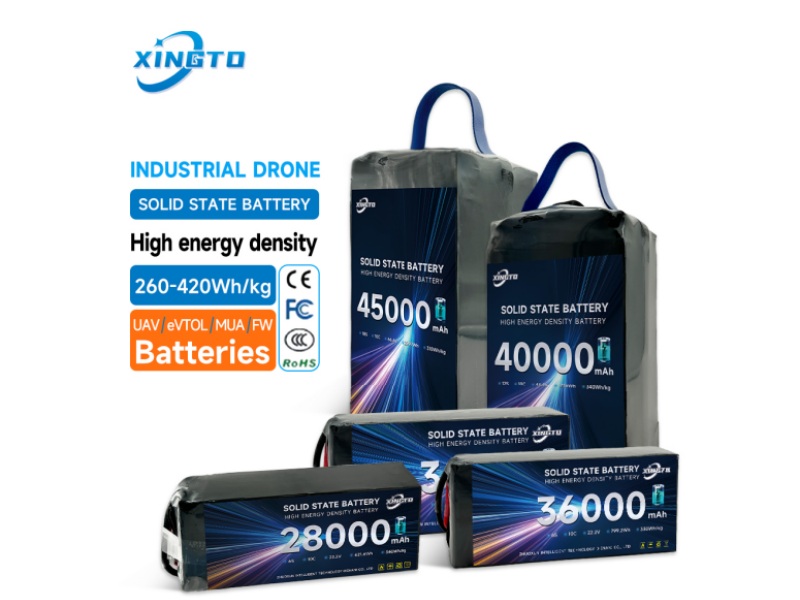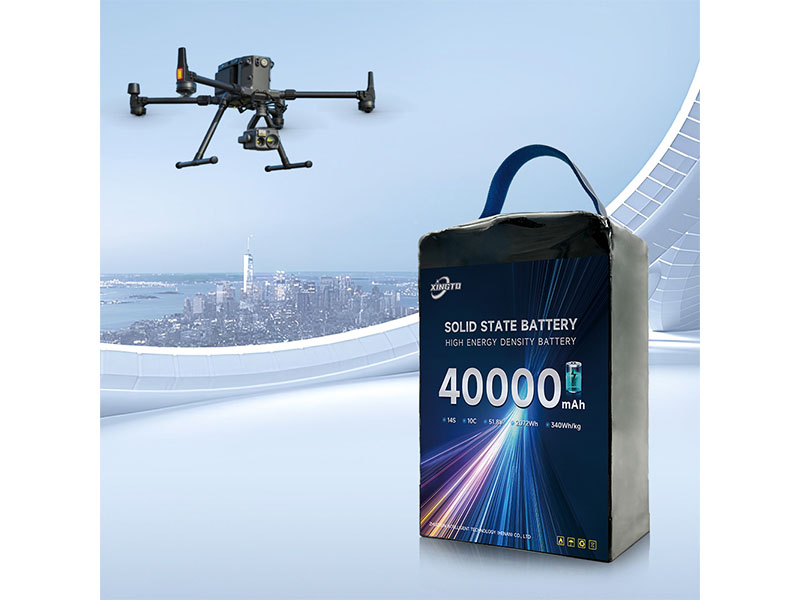

Industrial drones are growing rapidly across agriculture, inspection, surveying, logistics, and public safety sectors. A key factor that determines drone performance, reliability, and flight time is battery technology. This article explores everything you need to know about high energy density UAV batteries, how they impact industrial drone operations, and why choosing the right solution — such as Xingto Battery’s semi-solid industrial drone batteries — is essential for maximizing performance and reducing total cost of ownership.
What Is a High Energy Density UAV Battery?
A high energy density UAV battery is a power source designed to store more energy per unit of weight or volume compared to traditional batteries. Higher energy density means longer flight time without increasing the drone’s weight — a crucial factor for industrial applications that demand extended missions and heavy payload capabilities.
For industrial drones, a high energy density battery offers:
- Increased flight endurance
- Higher payload support
- Lower replacement frequency
- Better performance in extreme environments
Why Energy Density Matters for Industrial Drones
Energy density is one of the most important performance metrics for UAV batteries. It determines how much flight time a drone can achieve without increasing battery size or weight.
Industrial drones often need to:
- Fly longer distances for mapping and surveying
- Carry heavy sensors like LiDAR or thermal cameras
- Operate in harsh temperature conditions
- Complete missions without frequent battery swaps
High energy density battery technology helps solve these challenges, leading to:
✅ Enhanced mission efficiency
✅ Lower operational costs
✅ Improved reliability and safety
Types of Drone Batteries: Solid, Semi-Solid & LiPo
Lithium Polymer (LiPo) Batteries
LiPo batteries are widely used for consumer and light industrial drones due to their high discharge rate and good power-to-weight ratio. However, they still have limitations:
- Lower energy density compared to advanced chemistries
- Shorter cycle life
- Higher safety risk due to liquid electrolytes
Solid State Batteries
Solid state batteries replace liquid electrolytes with solid materials, offering:
- Superior safety
- Higher energy density
- Longer lifespan
However, they are still relatively costly and harder to mass-produce at scale.
Semi-Solid Lithium Batteries
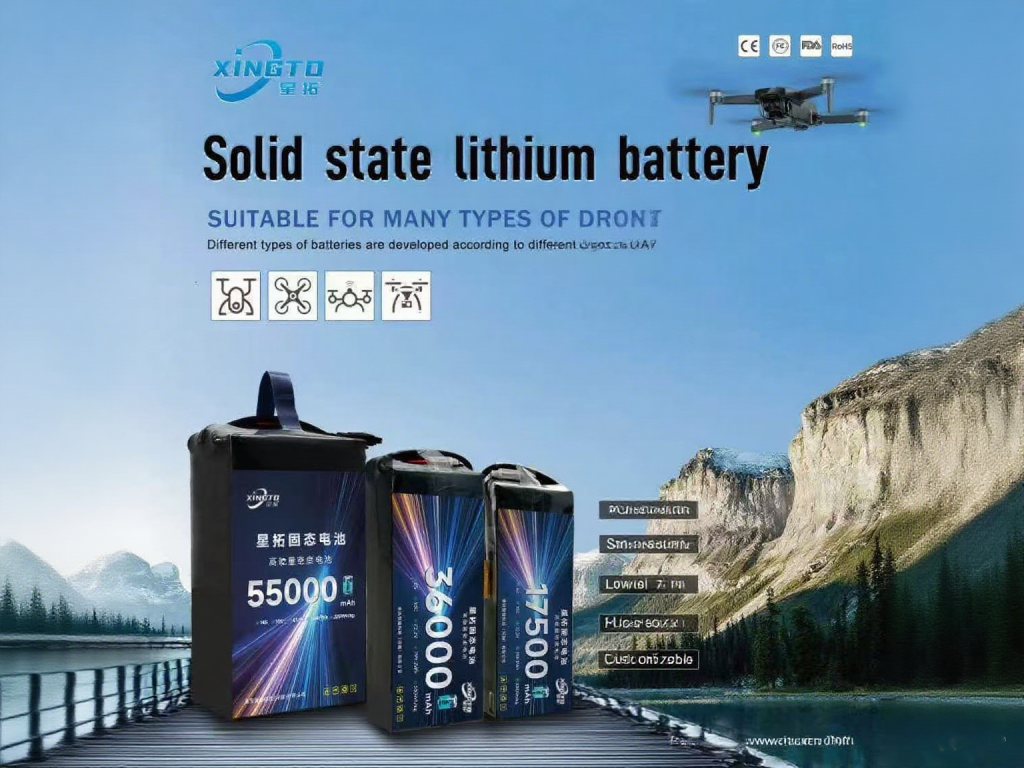
Semi-solid battery technology combines the advantages of solid state and traditional lithium batteries. It provides:
- Higher energy density
- Better thermal stability
- Lower safety risk
- Cost efficiency
This makes semi-solid batteries ideal for industrial applications — especially long-range and heavy-load drones.
Where High Energy Density Batteries Are Most Needed
1. Surveying & Mapping Drones
Surveying drones require long flight times with heavy payloads such as LiDAR or high-resolution cameras.
High energy density batteries enable:
- Larger area coverage per flight
- Fewer battery swaps in the field
- Higher data collection efficiency
2. Inspection Drones
Powerline, wind turbine, and bridge inspection drones often operate far from base stations. Long endurance ensures:
- Complete inspection routes
- Safer operations
- Reduced downtime
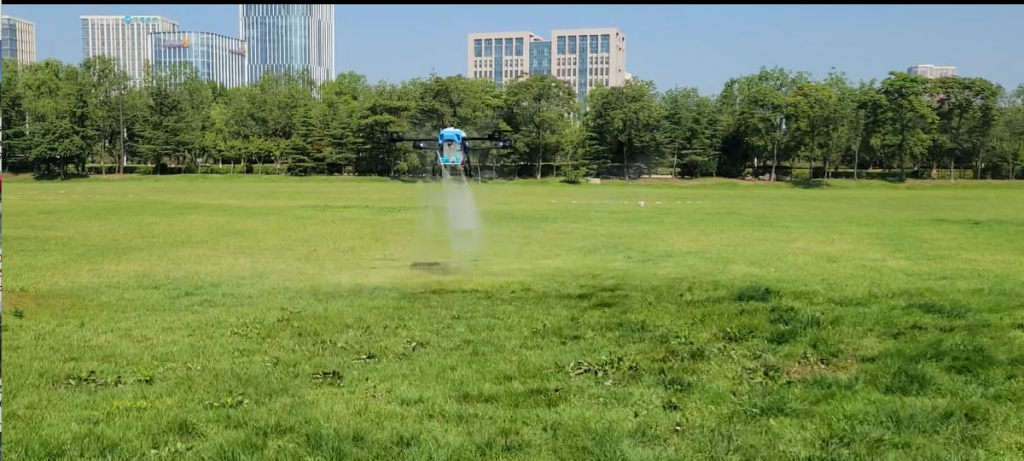
3. Agricultural Drones
Agricultural drones flying over large fields need batteries that:
- Support extended spraying missions
- Power RTK and precision navigation systems
- Ensure stable voltage under load
4. Delivery & Logistics Drones
Delivery drones must carry payloads over long distances. High energy density batteries help:
- Maximize range
- Increase payload capacity
- Improve operational efficiency
How to Choose the Right UAV Battery for Industrial Drones
When selecting a battery for industrial drones, consider the following factors:
1. Energy Density
Higher energy density translates to longer flight time and more efficient missions.
2. Cycle Life
Battery lifespan affects long-term operating costs. Batteries with higher cycle life require less frequent replacement.
3. Safety
Safety is critical, especially for industrial missions near people or infrastructure. Semi-solid and solid state batteries significantly reduce the risk of thermal runaway.
4. Operating Temperature
Battery performance fluctuates with temperature. Industrial drones often operate in extreme heat or cold, so thermal stability is important.
5. Payload Requirements
Heavier payloads draw more power. Ensure the battery supports stable output with high current demands.
Xingto Battery: Advanced Semi-Solid UAV Battery Solutions
For industrial drone manufacturers and operators seeking high energy density and reliable performance, Xingto Battery offers cutting-edge semi-solid lithium UAV battery solutions.
Why Choose Xingto Semi-Solid Batteries?
✔ High Energy Density: Long flight times for industrial missions
✔ Improved Safety: Reduced risk compared to traditional LiPo chemistry
✔ Stable Voltage Output: Supports high-load sensor systems
✔ Extended Cycle Life: Lower total cost of ownership
✔ OEM/ODM Support: Customized battery pack design for specific UAV platforms
Xingto Battery technology is used in:
- Industrial inspection drones
- Precision mapping UAVs
- Agricultural sprayers
- Logistics and delivery drones
By integrating advanced semi-solid batteries, industrial UAVs can achieve more efficient performance, safer operations, and better mission outcomes.
Battery Maintenance and Best Practices
To ensure maximum performance and safety, industrial drone battery systems should be:
1. Properly Charged
Use smart chargers with balance charging to prolong battery life.
2. Correctly Stored
Store cells at recommended storage voltage and temperature.
3. Routinely Inspected
Regularly check for swelling, damage, or abnormal heat during operation.
4. Carefully Discharged
Avoid deep discharge that can permanently reduce capacity.
Common Questions About High Energy Density UAV Batteries
Q: What is a high energy density drone battery?
A high energy density battery provides more power relative to its weight, extending flight time without increasing bulk.
Q: Are semi-solid batteries better than LiPo for industrial drones?
Yes. Semi-solid batteries typically offer a balance of higher energy density, improved safety, and longer cycle life.
Q: How long can an industrial drone fly with a high energy density battery?
Flight times vary by drone type and payload — average ranges are between 30 to 120+ minutes for heavy industrial missions.
Conclusion
High energy density UAV batteries are an essential component of modern industrial drones. They enhance flight endurance, improve mission reliability, and deliver better operational performance. Whether your application is inspection, mapping, agriculture, or logistics, choosing the right battery technology can greatly impact results.
Xingto Battery’s semi-solid UAV battery solutions offer a powerful combination of safety, endurance, and long-term value — making them a strong choice for industrial drone manufacturers and operators in the years ahead.