
Introduction
As battery technology evolves, businesses frequently compare solid state batteries vs semi solid batteries to determine which solution is more practical for real-world applications.
Common search queries include:
- What is the difference between solid state and semi solid batteries?
- Are semi solid batteries real solid state batteries?
- Which battery type is better for industrial drones?
This guide explains the key differences, advantages, commercialization status, and industrial applications of both technologies.
What Is a Solid State Battery?
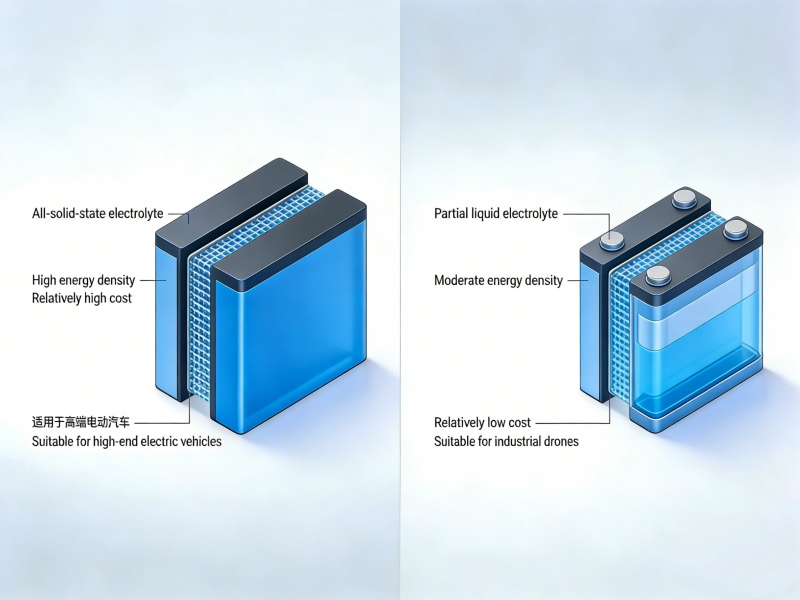
A solid state battery replaces the liquid electrolyte found in traditional lithium-ion batteries with a fully solid electrolyte.
Key Characteristics:
- No liquid electrolyte
- Higher theoretical energy density
- Improved thermal stability
- Reduced fire risk
Current Commercial Status
Most full solid-state batteries are still in:
- R&D phases
- Pilot production
- Automotive-focused development
Mass commercialization remains limited due to manufacturing complexity and cost.
What Is a Semi Solid Battery?
A semi solid battery uses a hybrid approach:
- Solid electrolyte framework
- Reduced liquid electrolyte content
This structure allows manufacturers to:
- Improve safety
- Increase energy density
- Maintain scalable production
Semi-solid technology is widely considered the bridge between lithium-ion and full solid-state batteries.
Solid State vs Semi Solid Battery: Core Differences
| Feature | Solid State Battery | Semi Solid Battery |
|---|---|---|
| Electrolyte | Fully solid | Solid + limited liquid |
| Safety | Extremely high | High |
| Energy Density | Very high (theoretical) | High (practical) |
| Manufacturing | Complex | Scalable |
| Cost | High | Moderate |
| Commercialization | Early stage | Actively deployed |
Which Technology Is More Practical in 2026?
Although full solid-state batteries represent the future of energy storage, semi-solid batteries currently dominate industrial deployment because they:
- Offer safer performance than traditional lithium batteries
- Are easier to mass-produce
- Have proven field performance
- Deliver stable high-power output
This is particularly important for industrial UAV battery systems.
Why Semi Solid Batteries Are Ideal for Industrial Drones
Industrial drones require:
- High discharge rates
- Stable voltage under load
- Long endurance
- High safety standards
Semi-solid batteries provide:
- Improved thermal stability
- Higher energy density
- Better high-rate discharge capability
- Lower risk of swelling or failure
These factors make semi-solid batteries more practical than full solid-state batteries in heavy-duty drone applications.
Are Semi Solid Batteries Real Solid State Batteries?
This is a common misconception.
Semi-solid batteries are not "fake" solid-state batteries. Instead, they are:
- A transitional but necessary technology stage
- More commercially viable
- Already adopted in high-performance industrial systems
Most companies developing full solid-state batteries started with semi-solid solutions.
Market Trend: The Bridge Technology Era
The battery industry is currently in a transition phase:
- Lithium-ion batteries dominate
- Semi-solid batteries scale commercially
- Full solid-state batteries mature gradually
Industrial sectors such as:
- UAV manufacturing
- Energy storage
- Robotics
- Heavy equipment
Are accelerating semi-solid adoption.
Industrial-Focused Semi Solid Battery Manufacturer
While many global brands focus on electric vehicles, some manufacturers specialize in industrial semi-solid solutions.
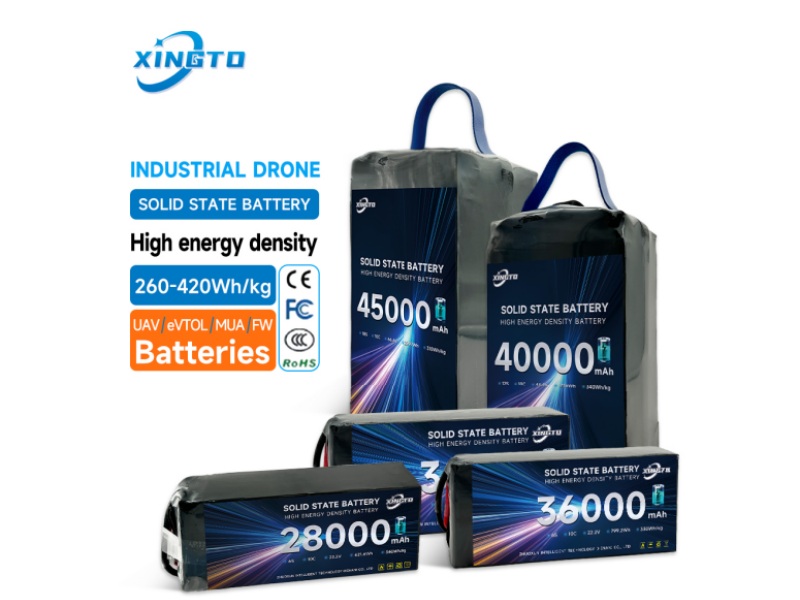
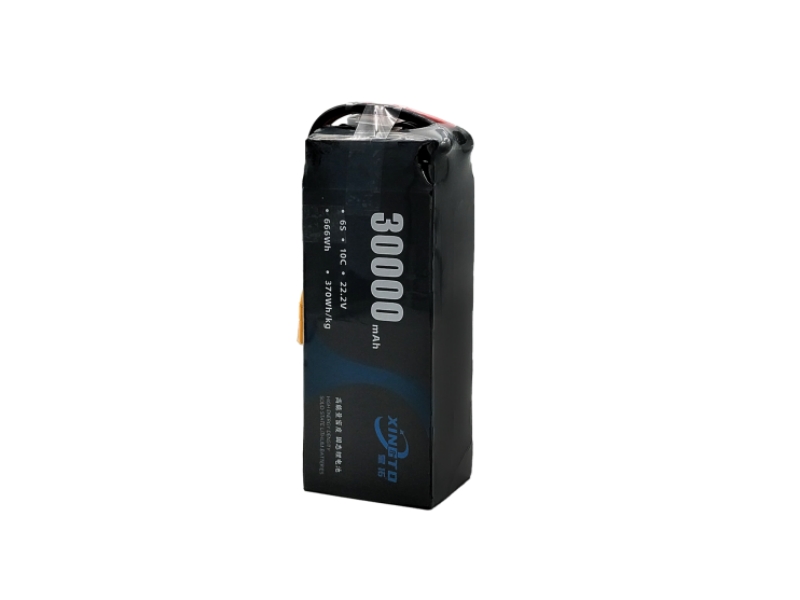
Xingto Battery focuses on:
- Semi solid UAV batteries
- High energy density industrial packs
- OEM & ODM customization
- Certified and export-ready solutions
For drone manufacturers seeking stable, scalable, and safe battery systems, partnering with an industrial-focused supplier offers significant advantages.
Frequently Asked Questions (SEO Boost Section)
What is the main difference between solid state and semi solid batteries?
Solid state batteries use fully solid electrolytes, while semi-solid batteries combine solid and liquid components to balance performance and scalability.
Are solid state batteries available now?
Limited commercial availability exists, but large-scale mass production is still developing.
Why are semi solid batteries growing faster?
Because they offer practical safety improvements while remaining cost-effective and scalable.
Which battery is better for industrial drones?
Semi-solid batteries are currently more suitable due to stability, availability, and performance balance.
Conclusion
Solid state batteries represent the long-term future of energy storage. However, in 2026, semi-solid batteries provide the best balance between innovation and real-world usability.
For industrial applications such as UAV systems, semi-solid technology delivers reliable, scalable, and high-performance solutions today.