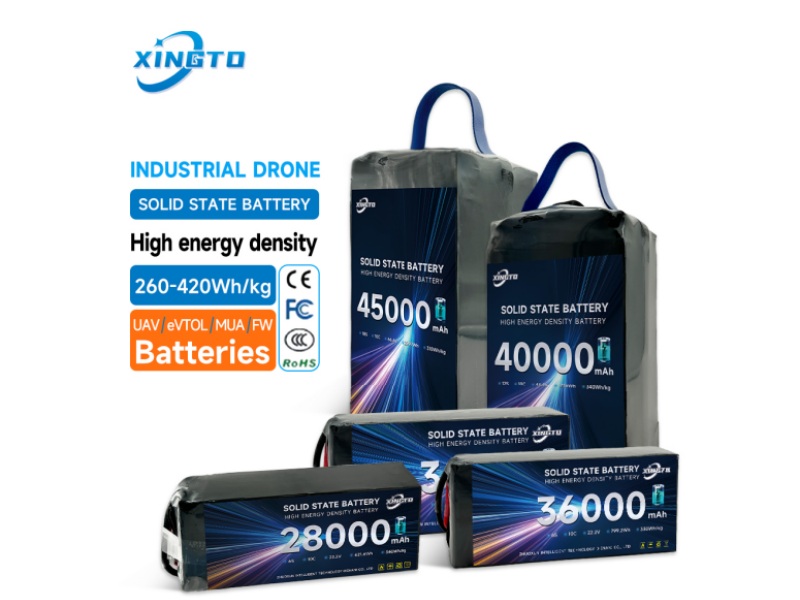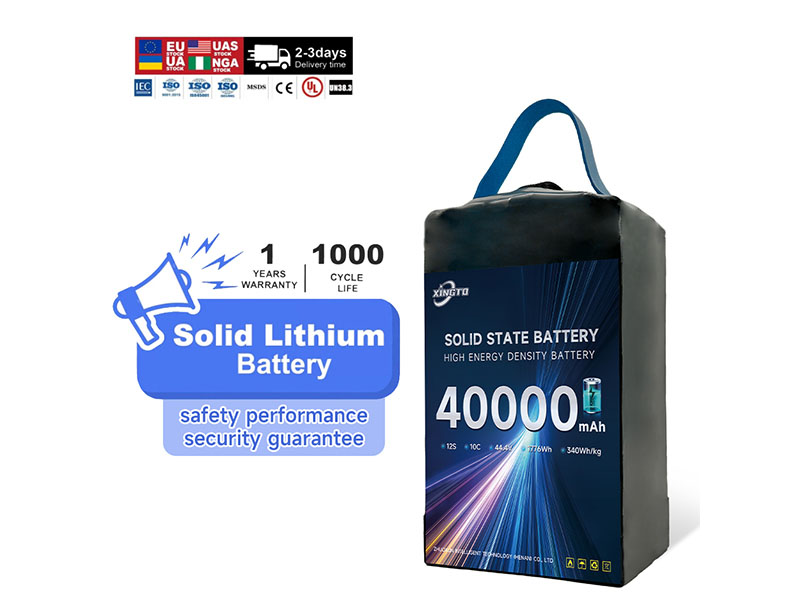

Solid state lithium batteries are one of the most promising next-generation energy storage technologies. Unlike traditional lithium-ion batteries, which rely on liquid electrolytes, solid state lithium batteries replace the liquid with a solid electrolyte, offering safety, energy density, performance, and lifecycle advantages. This article explains what solid state lithium batteries are, how they work, their benefits and challenges, and why they are increasingly important for applications like drones and UAVs — including how Xingto Battery is advancing this technology.
What Is a Solid State Lithium Battery?
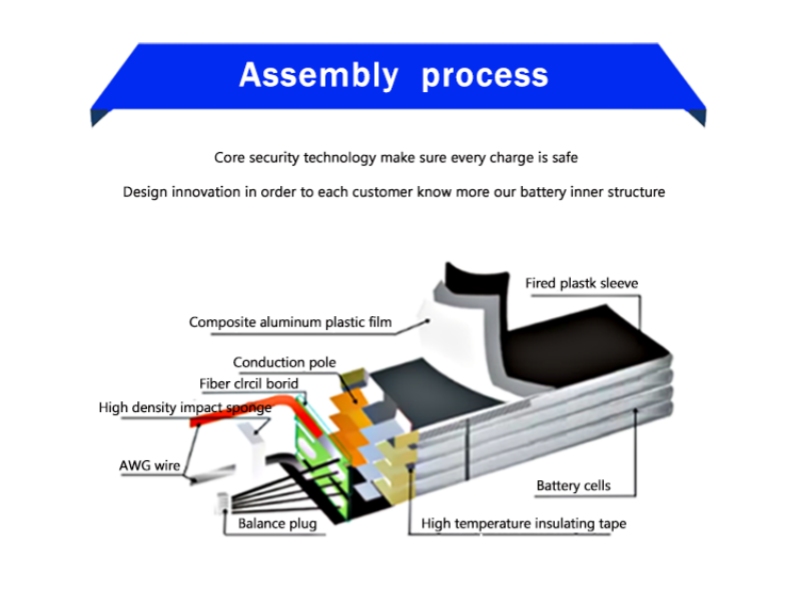
A solid state lithium battery is a rechargeable battery that uses a solid electrolyte instead of the liquid or gel electrolytes found in traditional lithium-ion cells. The solid electrolyte, which can be made from ceramics, polymers, sulfides, or composites, enables lithium ions to move between the anode and cathode during charging and discharging — just like liquid electrolytes — but without flammable liquids.
How It Works
- Anode: Usually lithium metal or high-capacity materials
- Solid Electrolyte: Conducts lithium ions, replacing the liquid electrolyte
- Cathode: Stores and releases lithium ions during discharge
When the battery charges, lithium ions move through the solid electrolyte from the cathode to the anode. During discharge, the ions travel back to the cathode, powering connected devices or systems.
Solid State vs. Traditional Lithium-Ion Batteries
The key difference lies in the electrolyte:
| Feature | Lithium-Ion Battery | Solid State Lithium Battery |
|---|---|---|
| Electrolyte | Liquid or gel | Solid (ceramic or polymer) |
| Safety | Moderate (flammable) | High (non-flammable) |
| Energy Density | Moderate | Higher potential |
| Cycle Life | Good | Enhanced |
| Operating Temperature | Limited | Wider range |
| Weight | Heavier (thermal management) | Lighter (simpler pack) |
Solid state batteries eliminate the risks and limitations associated with liquid electrolytes, which can leak or ignite under stress.
Why Solid State Lithium Batteries Matter
1. Higher Energy Density
Solid state batteries typically offer significantly higher energy per unit volume and weight compared to conventional lithium-ion cells. Higher energy density means longer runtimes and greater range in devices like drones, electric vehicles, and portable systems.
For drones, this translates to longer flight durations, higher payload capacity, and increased operational flexibility — key advantages for commercial and industrial UAV use.
2. Enhanced Safety
One of the biggest advantages of solid state lithium batteries is safety. Since there is no flammable liquid inside the cell, the risk of thermal runaway, fires, and explosions is significantly reduced. This is especially important for unmanned aerial vehicles operating near people or in sensitive environments.
3. Longer Lifespan & Durability
Solid electrolytes are more stable over many charge-discharge cycles. Solid state batteries can endure more cycles before capacity fades, which reduces replacement costs over time and improves total ownership cost for high-use applications like drone fleets.
4. Better Temperature Performance
Solid state batteries operate more reliably in extreme temperatures — from cold winter conditions to hot climates — without the same performance loss seen in liquid-electrolyte batteries. This is critical for drones used in outdoor, high-altitude, or extreme environment missions
Challenges of Solid State Battery Technology
Despite the advantages, solid state batteries face industry challenges:
- Manufacturing Complexity & Cost: Production is more complex than traditional cells, leading to higher costs.
- Material & Interface Issues: Maintaining stable solid electrolyte-electrode interfaces is still a technical hurdle.
- Scale & Commercialization: Large-scale production for mass markets remains a work in progress, especially for cost-sensitive sector
Solid State Lithium Batteries for Drones
Drones benefit significantly from solid state battery advancements because:
- Extended Flight Times: More energy per kilogram increases drone flight durations without extra weight.
- Greater Safety: Reduced fire risk makes solid state batteries ideal for commercial and urban drone operations.
- Harsh Environment Performance: Better performance in extreme thermal conditions improves mission reliability.
- Higher Operational Efficiency: Increased cycle life and durability reduce downtime and maintenance costs for drone fleets.
Applications include agriculture crop monitoring, industrial inspection, logistics and delivery, surveillance, and search-and-rescue missions.
Xingto Battery — Leading Solid State Drone Battery Solutions
When it comes to next-generation drone power systems, Xingto Battery stands out for solid state and semi-solid lithium solutions designed specifically for unmanned aerial vehicles.
Key Advantages of Xingto Solid State Batteries
- High Energy Density: Offering a significant energy advantage over traditional cells for longer flights.
- Enhanced Safety: Solid electrolytes reduce fire hazards during high-load operations.
- Wide Temperature Range: Reliable performance in varied climates and extreme conditions.
- Durability & Cycle Life: Extended service life lowers total cost of ownership.
- Custom UAV Designs: Support for OEM and tailored battery packs for specific drone models.
Xingto Battery’s advanced solid state battery technology is engineered to empower modern UAVs with safer, lighter, and more efficient power, supporting commercial, industrial, and logistics drone applications.
Future Outlook: Solid State Battery Adoption
Solid state battery research and development are accelerating globally, with investments from major automotive, aerospace, and tech sectors. While mass adoption may still take time, the rapid pace of innovation suggests a future where solid state batteries will be mainstream in high-performance applications — including drones, electric vehicles, and portable systems.
Conclusion
Solid state lithium batteries represent a transformational shift in energy storage. With advantages such as higher energy density, enhanced safety, longer lifespan, and improved performance in extreme conditions, they are poised to power the next generation of drones and other advanced systems. Companies like Xingto Battery are at the forefront of this transition, offering cutting-edge solutions that meet the evolving demands of UAV technology and commercial drone operations.