
Introduction
Drone battery charging problems are one of the most common issues faced by UAV operators. Whether you use drones for:
- industrial inspection
- agricultural spraying
- mapping and surveying
- aerial photography
- logistics delivery
a battery that refuses to charge can interrupt operations and cause significant downtime.
Many operators ask:
- Why is my drone battery not charging?
- Can a dead drone battery be repaired?
- How do I troubleshoot UAV battery charging problems?
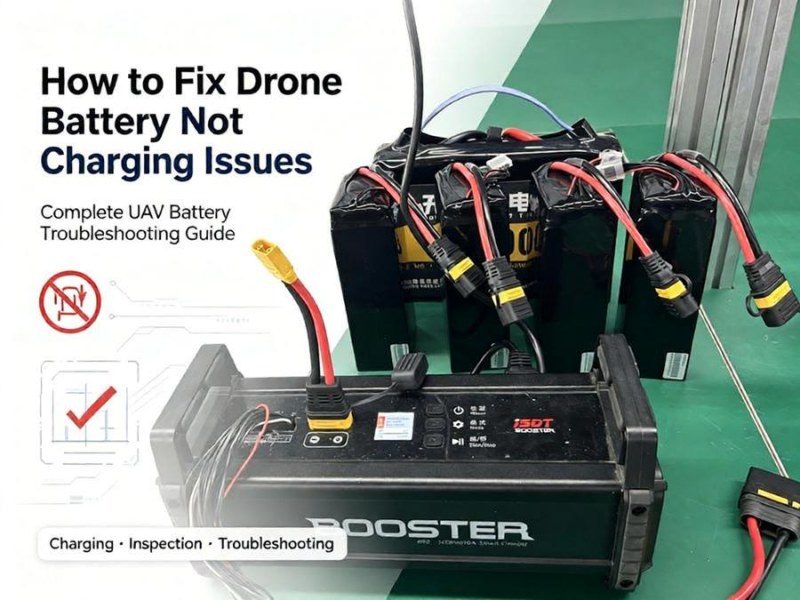
This guide explains the most common causes of drone battery charging failure and how to safely troubleshoot and fix them.
Why Drone Batteries Fail to Charge
Drone batteries are complex power systems containing:
- lithium cells
- battery management systems (BMS)
- connectors
- charging circuits
Charging failure may result from problems in any of these components.
Common Signs of Charging Problems
Typical symptoms include:
- battery not recognized by charger
- charging stops unexpectedly
- battery voltage remains low
- charger displays error messages
- battery heats excessively
- charging speed becomes unusually slow
Main Causes of Drone Battery Charging Failure
1. Damaged Charger
A faulty charger is one of the most common causes of charging failure.
Problems may include:
- unstable voltage output
- damaged charging cables
- overheating charger circuits
How to Check the Charger
Inspect for:
- loose connectors
- damaged wires
- unusual heat
- blinking error lights
If possible, test using another compatible charger.
2. Battery Over-Discharge
Lithium batteries should never be deeply discharged.
When voltage drops too low:
- the BMS may lock charging
- the charger may fail to detect the battery
This commonly occurs when batteries are stored empty for long periods.
Warning Signs of Over-Discharge
- battery voltage extremely low
- charger cannot identify battery
- no charging response
3. Cell Imbalance
Drone batteries contain multiple cells connected together.
If cell voltage becomes highly unbalanced:
- charging may stop automatically
- the BMS may trigger protection mode
Balanced charging is essential for long-term battery health.
4. Damaged Connectors
Charging connectors are exposed to:
- dust
- moisture
- vibration
- corrosion
Poor connector contact may interrupt charging.
How to Inspect Connectors
Check for:
- oxidation
- loose terminals
- bent pins
- burned surfaces
Clean connectors carefully using professional electrical cleaning tools.
5. Battery Management System (BMS) Protection
Modern industrial UAV batteries include advanced BMS protection systems.
The BMS may stop charging if it detects:
- overheating
- abnormal voltage
- excessive current
- short circuits
This safety feature prevents battery damage.
6. Excessive Battery Temperature
Drone batteries should not be charged while hot.
Charging hot batteries increases:
- internal stress
- swelling risk
- thermal damage
Always allow batteries to cool before charging.
7. Aging Battery Cells
All lithium batteries degrade over time.
Old batteries may:
- lose charging efficiency
- develop high internal resistance
- fail to reach full voltage
Most industrial UAV batteries last:
300–500 charge cyclesdepending on usage conditions.
Step-by-Step Troubleshooting Guide
Step 1: Perform Visual Inspection
Check for:
- swelling
- damaged casing
- melted connectors
- loose wiring
Never attempt to charge physically damaged batteries.
Step 2: Test Charger Output
Use a multimeter to verify charger voltage output.
Incorrect voltage may indicate charger failure.
Step 3: Measure Battery Voltage
Check whether battery voltage is below safe limits.
Extremely low voltage may require professional recovery procedures.
Step 4: Inspect Cell Balance
Use a smart charger or battery analyzer to compare individual cell voltage.
Large imbalance indicates internal battery problems.
Step 5: Allow Battery Cooling
If the battery is hot after flight:
- wait 20–30 minutes before charging
Step 6: Try Another Charger
Testing with a second compatible charger helps isolate the problem.
Can a Dead Drone Battery Be Recovered?
In some cases, mildly over-discharged batteries may be recoverable using professional charging equipment.
However:
- severely damaged batteries should be replaced
- swollen batteries should never be reused
Industrial UAV operators should prioritize safety over battery recovery.
Preventing Drone Battery Charging Problems
1. Avoid Deep Discharge
Recommended remaining power after flight:
20%–30%2. Use High-Quality Chargers
Cheap chargers often lack:
- balanced charging
- temperature protection
- voltage accuracy
3. Store Batteries Properly
Long-term storage voltage:
3.7V–3.85V per cell4. Monitor Battery Temperature
Avoid charging:
- under direct sunlight
- inside hot vehicles
- immediately after flight
5. Use Advanced Industrial Battery Systems
Modern semi solid battery systems offer:
- improved charging stability
- enhanced thermal control
- lower degradation rate
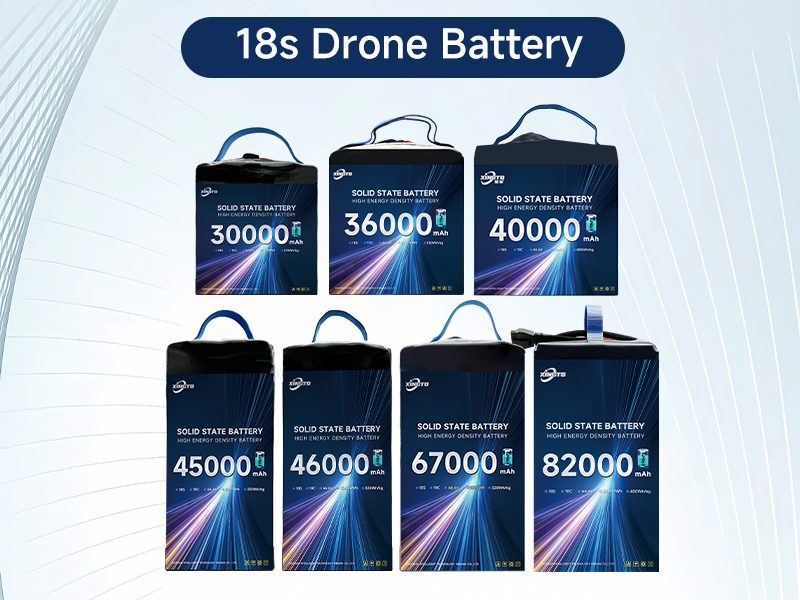
Companies like Xingto Battery develop industrial UAV semi solid battery solutions optimized for long endurance and safe charging performance.
Industrial UAV Charging Best Practices
Professional operators often use:
- smart charging stations
- temperature-controlled charging rooms
- battery management software
- charging cycle tracking systems
These systems improve:
- operational safety
- battery lifespan
- charging efficiency
Common Charging Mistakes
Mistake 1: Charging Immediately After Flight
Hot batteries should cool before charging.
Mistake 2: Using Incompatible Chargers
Incorrect chargers may damage batteries permanently.
Mistake 3: Ignoring Small Voltage Imbalance
Minor imbalance can develop into major failure.
Mistake 4: Continuing to Use Swollen Batteries
Swollen batteries are unsafe and should be replaced immediately.
Google People Also Ask (FAQ)
Why is my drone battery not charging?
Possible causes include damaged chargers, deep discharge, cell imbalance, or BMS protection.
Can a completely dead drone battery be repaired?
Some mildly over-discharged batteries may recover, but severely damaged batteries should be replaced.
Is it safe to charge a swollen drone battery?
No. Swollen batteries are dangerous and should not be charged.
Why does charging stop suddenly?
The BMS may activate protection due to overheating, imbalance, or abnormal voltage.
Conclusion + CTA
Proper troubleshooting and battery management help prevent charging problems and improve UAV operational reliability.
Industrial drone operators should use professional charging equipment and advanced battery systems designed for long-term stability and safety.
Xingto Battery provides high energy density semi solid UAV battery solutions with advanced thermal management, charging protection, and industrial-grade reliability.