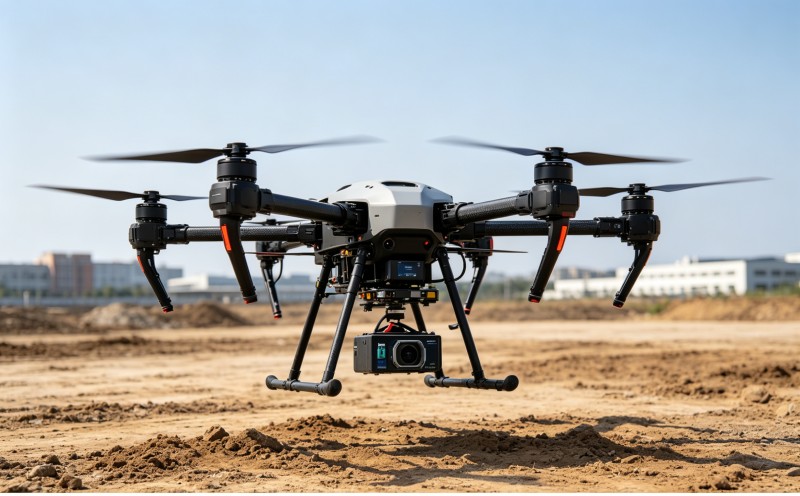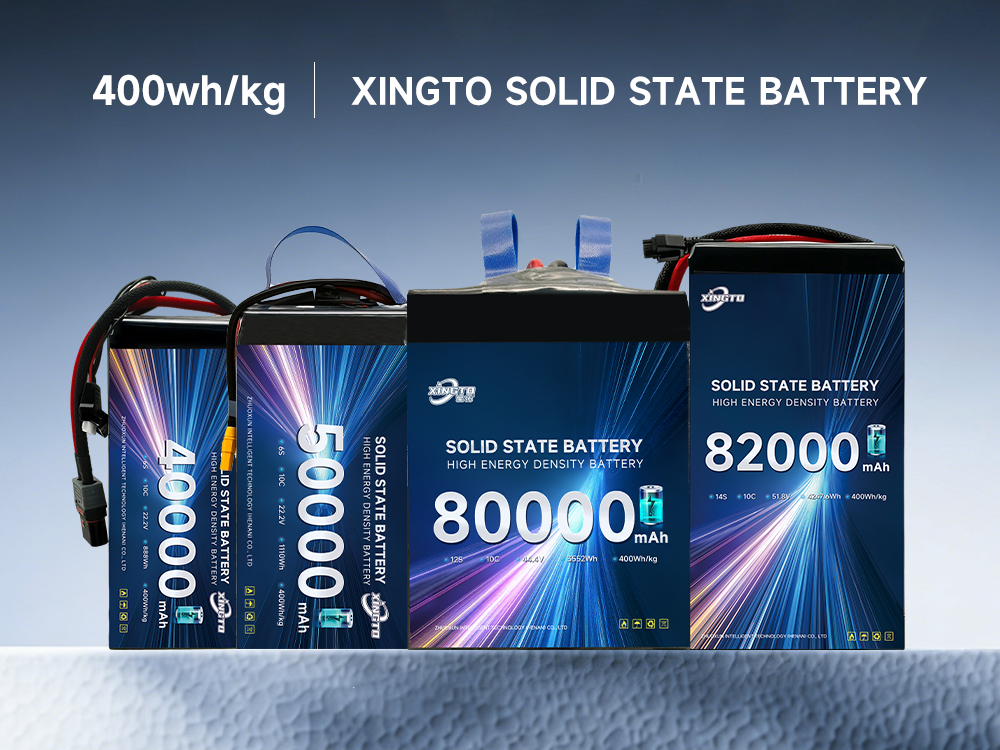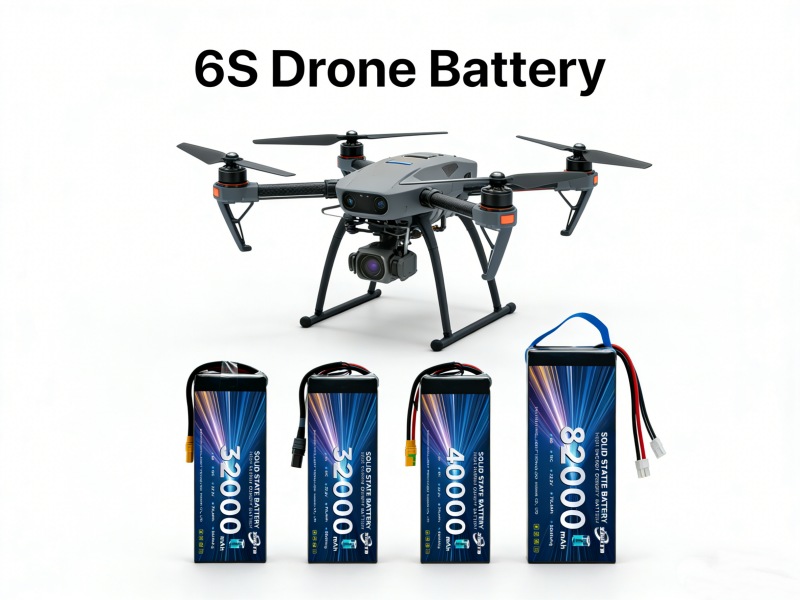

Introduction
Cold weather is one of the biggest challenges affecting drone battery performance.
Many drone operators notice that during winter operations:
- flight time becomes shorter
- batteries drain faster
- voltage drops suddenly
- drones lose power unexpectedly
For industrial UAV applications such as:
- power line inspection
- emergency response
- infrastructure surveying
- agricultural monitoring
cold weather performance is especially critical.
This guide explains how low temperatures affect UAV batteries and how to optimize drone performance during winter operations.
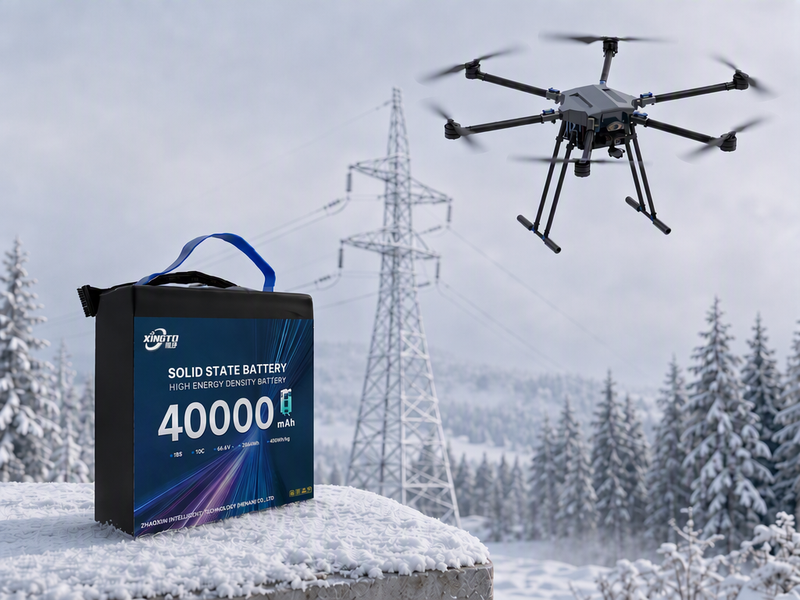
Why Cold Weather Affects Drone Batteries
Lithium batteries rely on chemical reactions to produce energy.
Low temperatures slow these reactions, causing:
- lower voltage output
- reduced capacity
- increased internal resistance
- weaker discharge performance
This directly affects drone endurance and flight stability.
Common Cold Weather Drone Battery Problems
1. Shorter Flight Time
Cold batteries cannot release energy efficiently.
Flight endurance may decrease by:
20%–50%depending on temperature conditions.
2. Sudden Voltage Drop
Voltage sag is more severe in cold weather.
This may trigger:
- low battery warnings
- emergency landing
- unstable flight behavior
3. Reduced Power Output
Cold batteries may struggle to deliver high current during:
- takeoff
- climbing
- heavy payload operation
4. Slower Charging Performance
Cold batteries charge less efficiently and may require longer charging time.
Ideal UAV Battery Operating Temperature
Most drone batteries perform best between:
20°C–40°C (68°F–104°F)Performance declines significantly below:
10°C (50°F)How to Optimize Drone Battery Performance in Cold Weather
1. Preheat Batteries Before Flight
Warming batteries improves:
- voltage stability
- discharge efficiency
- power output
Professional operators often preheat batteries to:
20°C–30°Cbefore takeoff.
2. Keep Batteries Warm During Transport
Never leave batteries exposed to freezing temperatures.
Use:
- insulated storage cases
- thermal battery bags
- heated transport containers
3. Avoid Full-Throttle Takeoff Immediately
Cold batteries require gradual load increase.
Aggressive acceleration immediately after takeoff increases voltage sag risk.
4. Reduce Flight Aggressiveness
In cold weather:
- fly more smoothly
- avoid rapid climbing
- reduce sudden braking
This lowers current demand.
5. Monitor Battery Voltage Closely
Cold conditions cause voltage fluctuations.
Industrial UAV operators should monitor:
- real-time voltage
- temperature
- current draw
6. Land Earlier Than Normal
Winter operations require larger safety margins.
Do not fully drain batteries in cold weather.
Recommended landing level:
25%–30%remaining power.
7. Allow Batteries to Warm Before Charging
Never charge frozen or extremely cold batteries.
Charging cold batteries may cause:
- lithium plating
- internal damage
- permanent degradation
Industrial UAV Challenges in Cold Environments
Industrial drone applications often involve:
- mountain inspections
- winter agriculture
- emergency rescue
- outdoor infrastructure maintenance
These missions place extreme demands on battery systems.
Reliable thermal performance becomes critical.
Why Semi Solid Batteries Perform Better in Cold Weather
Semi solid battery technology provides several cold-weather advantages:
- improved thermal stability
- lower internal resistance
- better low-temperature discharge capability
- safer operation
Compared with traditional LiPo batteries, semi solid systems maintain more stable performance under harsh environmental conditions.
Companies like Xingto Battery develop high energy density semi solid UAV batteries specifically designed for industrial applications requiring reliable cold-weather endurance.
Battery Storage Tips During Winter
For winter storage:
- maintain proper storage voltage
- avoid condensation
- use dry insulated environments
Recommended storage voltage:
3.7V–3.85V per cellCommon Winter UAV Battery Mistakes
Mistake 1: Flying With Frozen Batteries
Cold batteries experience severe voltage sag.
Mistake 2: Charging Immediately Outdoors
Allow batteries to return to room temperature first.
Mistake 3: Ignoring Temperature Monitoring
Industrial UAV operations require continuous thermal management.
Mistake 4: Storing Batteries in Vehicles Overnight
Vehicle temperatures may drop below safe storage limits.
Google People Also Ask (FAQ)
Why do drone batteries die faster in cold weather?
Low temperatures slow chemical reactions and reduce energy release efficiency.
What temperature is too cold for drone batteries?
Performance declines significantly below 10°C (50°F).
Should drone batteries be warmed before flight?
Yes. Preheating improves voltage stability and power output.
Are semi solid batteries better for winter UAV operations?
Yes. Semi solid batteries generally provide better thermal stability and cold-weather performance.
Conclusion + CTA
Cold weather significantly affects drone battery performance, safety, and endurance.
Industrial UAV operators should implement proper winter battery management procedures and use advanced battery systems optimized for low-temperature environments.
Xingto Battery provides high energy density semi solid UAV battery solutions designed for reliable industrial drone operation in demanding environmental conditions.