
Introduction
Proper battery storage is one of the most overlooked aspects of drone maintenance. Many UAV operators focus on flight performance and charging habits but ignore how storage conditions directly affect battery lifespan, safety, and reliability.
Whether you use drones for:
- industrial inspection
- agricultural spraying
- mapping and surveying
- logistics and delivery
incorrect battery storage can lead to:
- reduced capacity
- battery swelling
- shorter lifespan
- unstable flight performance
- safety risks
This guide explains everything you need to know about how to store drone batteries properly for long-term use, especially for industrial UAV applications.
Why Proper Drone Battery Storage Matters
Drone batteries are highly sensitive to:
- temperature
- humidity
- charge level
- physical pressure
Improper storage accelerates battery degradation and increases internal resistance.
For industrial UAV operators managing multiple battery packs, poor storage practices can lead to significant replacement costs.
What Happens When Drone Batteries Are Stored Incorrectly?
1. Capacity Loss
Improper storage gradually reduces battery capacity.
This means:
- shorter flight time
- reduced efficiency
- unstable power output
2. Battery Swelling
Swelling occurs when chemical reactions inside the battery become unstable.
Common causes include:
- high temperature
- overcharging
- long-term full charge storage
3. Increased Safety Risks
Damaged batteries may:
- overheat
- leak
- catch fire
This is especially dangerous for industrial drone fleets.
Best Storage Voltage for Drone Batteries
One of the most important factors is storage voltage.
Recommended Storage Voltage
For most lithium-based UAV batteries:
3.7V–3.85V per cellThis voltage range minimizes chemical stress inside the battery.
Why You Should Never Store Batteries Fully Charged
Fully charged batteries experience:
- higher internal stress
- faster degradation
- increased swelling risk
Why Fully Discharged Storage Is Also Dangerous
Deep discharge may cause:
- irreversible cell damage
- charging failure
- reduced lifespan
Ideal Temperature for Drone Battery Storage
Temperature has a major impact on battery health.
Recommended Storage Temperature
Best storage range:
15°C–25°C (59°F–77°F)Avoid High Temperatures
High heat accelerates chemical aging.
Never leave drone batteries:
- inside hot vehicles
- under direct sunlight
- near heaters
Avoid Freezing Temperatures
Extremely cold environments reduce:
- chemical activity
- voltage stability
This may permanently damage lithium cells.
Best Environment for Long-Term UAV Battery Storage
Store Batteries in a Dry Environment
Humidity can damage:
- connectors
- terminals
- battery casing
Use Fireproof Storage Containers
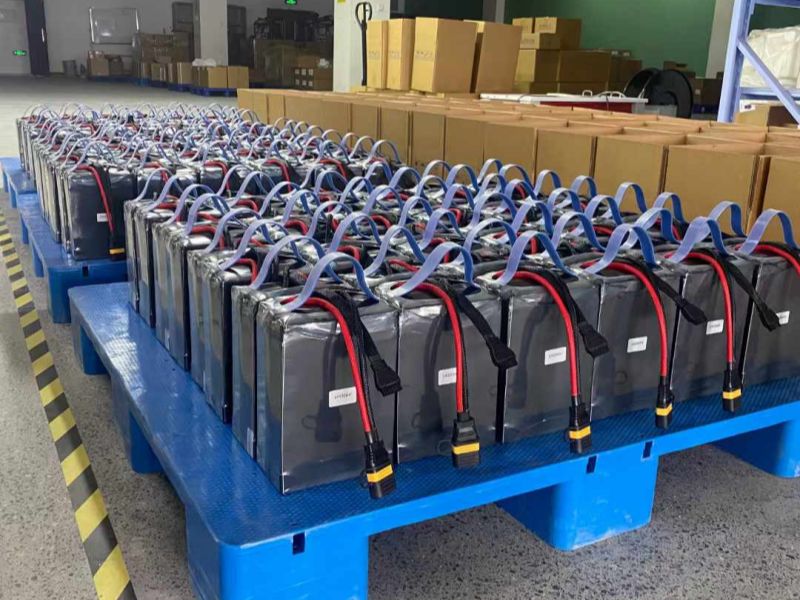
Professional UAV operators often use:
- LiPo safety bags
- fireproof cabinets
- battery storage cases
Keep Batteries Away from Metal Objects
Avoid short circuits caused by:
- loose tools
- exposed connectors
- conductive materials
How Long Can Drone Batteries Be Stored?
Most drone batteries can be safely stored for:
1–6 monthsif maintained correctly.
However, batteries should still be checked regularly.
How Often Should You Check Stored Drone Batteries?
Industrial UAV operators should inspect stored batteries every:
30–60 daysCheck for:
- voltage drop
- swelling
- physical damage
- connector corrosion
Best Practices for Industrial Drone Battery Storage
Industrial UAV fleets require stricter battery management procedures.
1. Create Battery Tracking Logs
Track:
- charge cycles
- storage dates
- maintenance history
2. Use Smart Battery Management Systems
Advanced BMS systems help monitor:
- voltage consistency
- temperature
- battery health
3. Rotate Battery Usage
Avoid leaving the same batteries unused for long periods.
Semi Solid Batteries & Storage Advantages
New battery technologies improve storage stability.
Advantages of Semi Solid UAV Batteries
Compared with traditional LiPo batteries, semi solid batteries offer:
- improved thermal stability
- lower swelling risk
- better long-term reliability
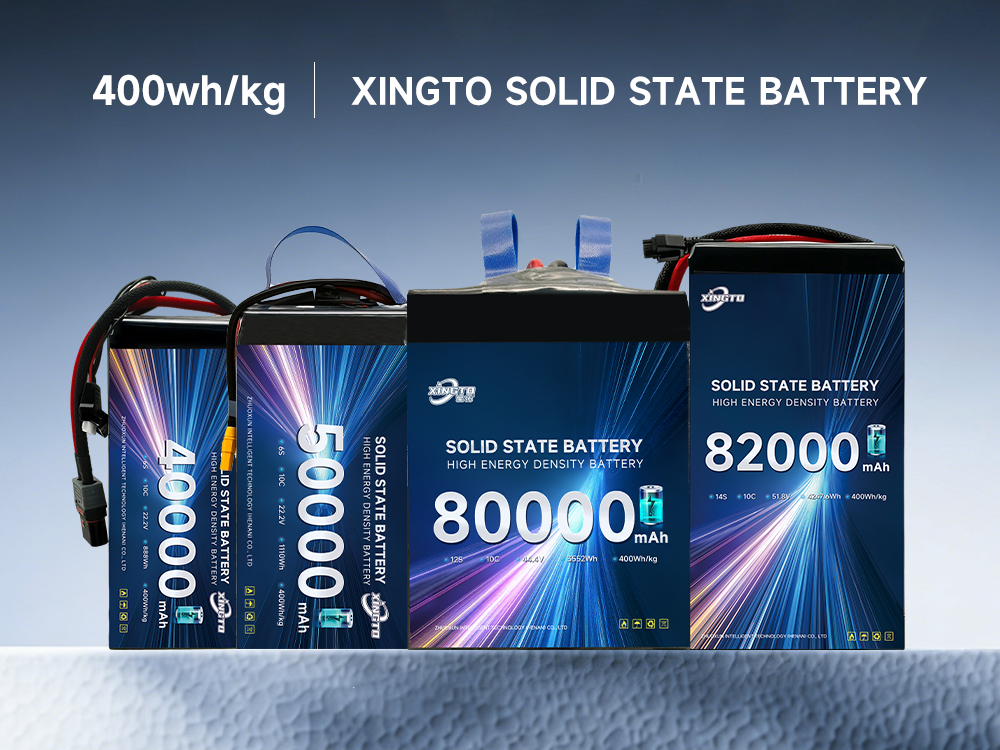
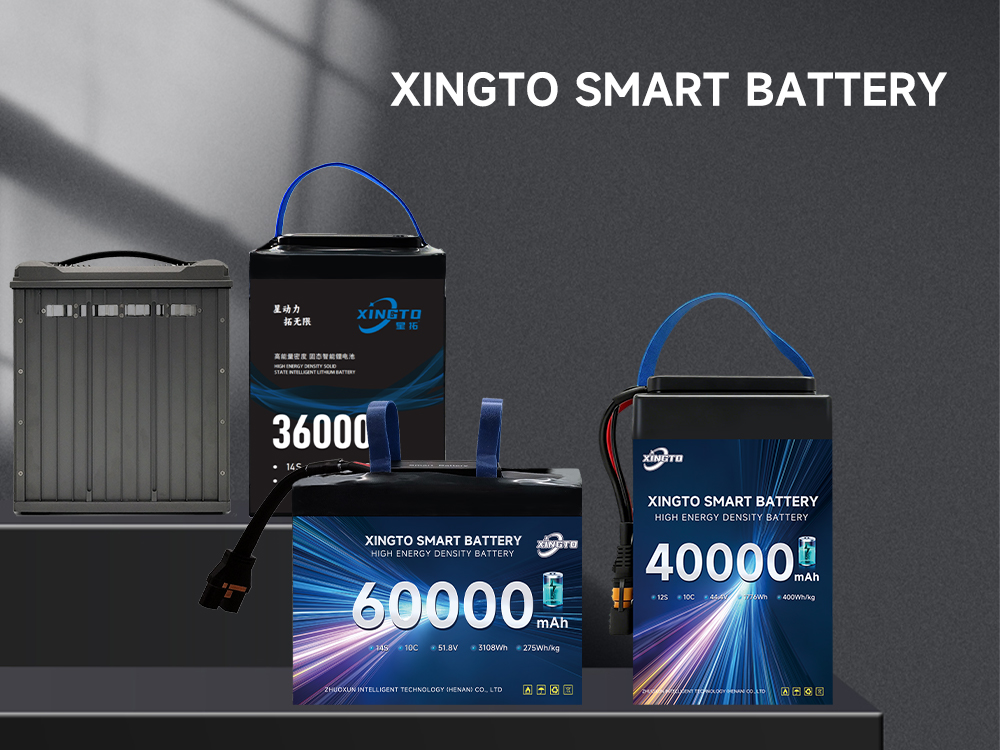
Companies like Xingto Battery provide high energy density semi solid UAV batteries specifically designed for industrial drone applications.
Common Drone Battery Storage Mistakes
Mistake 1: Storing Fully Charged Batteries
This accelerates battery aging.
Mistake 2: Ignoring Temperature
Heat is one of the biggest causes of battery degradation.
Mistake 3: Leaving Batteries Unused Too Long
Inactive batteries may lose voltage excessively.
Google People Also Ask (FAQ)
What is the best storage voltage for drone batteries?
Typically 3.7V–3.85V per cell.
Can drone batteries be stored fully charged?
No. Long-term full charge storage reduces lifespan.
How long do drone batteries last in storage?
Usually several months if maintained correctly.
Should drone batteries be refrigerated?
No. Condensation and freezing temperatures can damage batteries.
Conclusion
Proper battery storage is essential for maximizing:
- battery lifespan
- flight performance
- operational safety
Industrial UAV operators should follow strict storage procedures and invest in high-quality battery systems.
👉 Xingto Battery provides advanced semi solid UAV battery solutions with improved safety, stability, and long-term reliability for industrial drone applications.