
Introduction
Choosing the right battery is critical for drone performance. One of the most common comparisons is:
👉 LiPo vs Lithium-ion drone battery
Each technology has its own advantages and limitations depending on the drone application.
What Is a LiPo Battery?
LiPo (Lithium Polymer) batteries use a polymer electrolyte.
Key Features
- high discharge rate
- lightweight
- flexible design
What Is a Lithium-Ion Battery?
Lithium-ion batteries use liquid electrolyte and cylindrical or prismatic cells.
Key Features
- higher energy density
- longer lifespan
- better efficiency
LiPo vs Lithium-Ion: Full Comparison
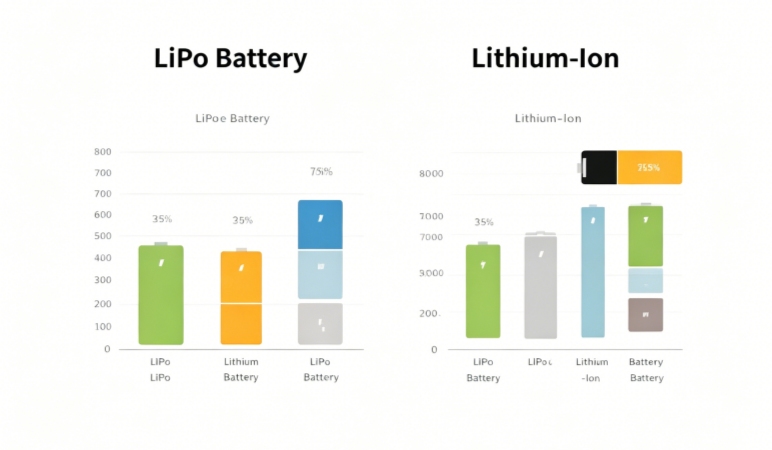
| Feature | LiPo | Lithium-ion |
|---|---|---|
| Energy Density | Medium | High |
| Discharge Rate | High | Medium |
| Lifespan | Shorter | Longer |
| Safety | Medium | Higher |
| Weight | Light | Medium |
Which Battery Is Better for Different Drones?
Racing Drones
👉 LiPo is better (high power output)
Consumer Drones
👉 Both are suitable
Industrial Drones
👉 Lithium-ion or semi solid is better
Limitations of Both Technologies
Both LiPo and lithium-ion batteries rely on liquid electrolytes, which can lead to:
- overheating
- safety risks
- performance limitations
The Next Step: Semi Solid Batteries
Semi solid batteries improve both technologies by:
- increasing energy density
- improving safety
- extending lifespan
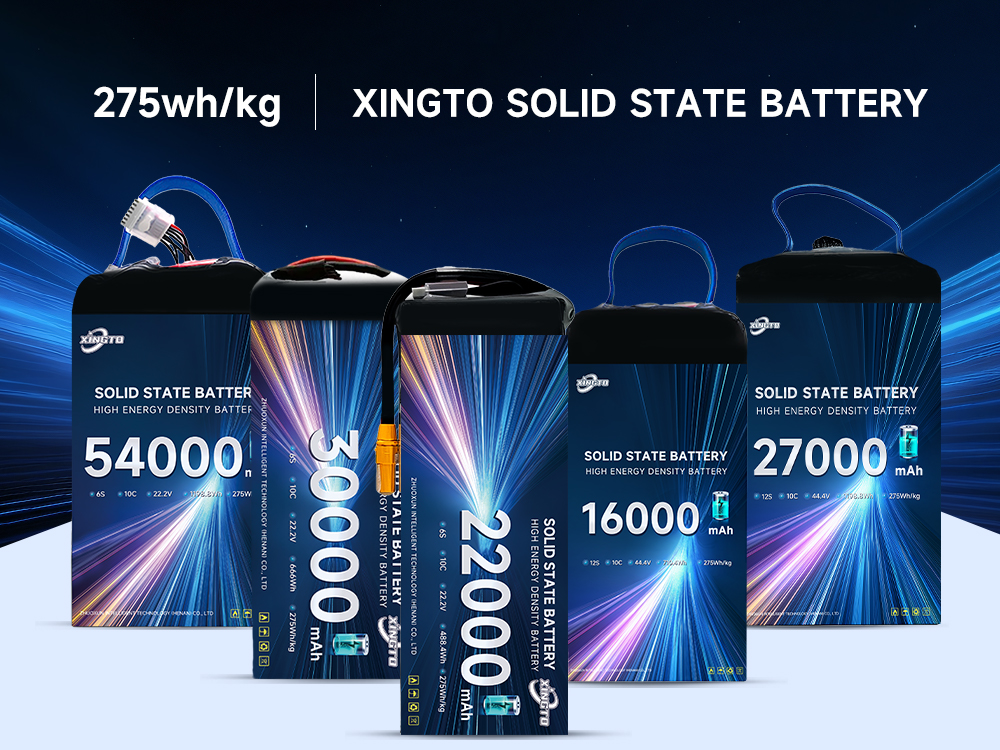
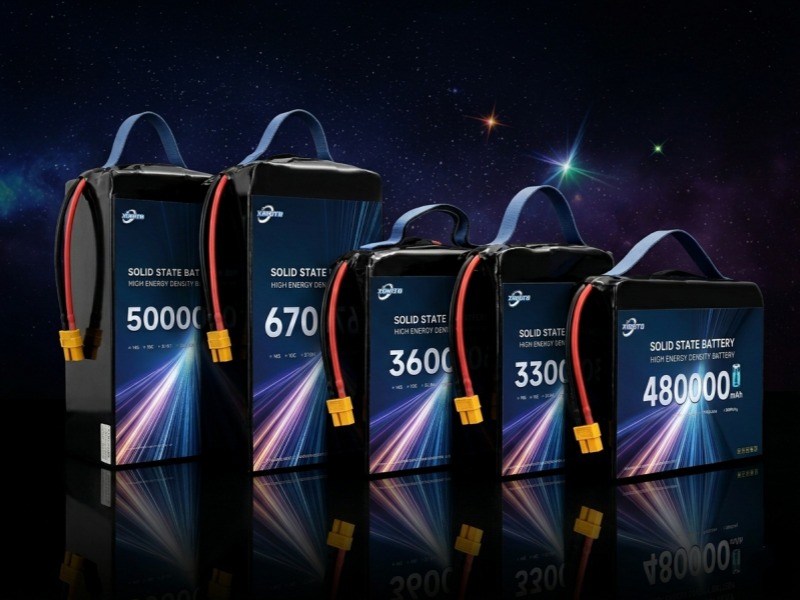
Companies like Xingto Battery are developing advanced semi solid UAV batteries for industrial applications.
FAQ
Which battery lasts longer, LiPo or lithium-ion?
Lithium-ion batteries generally last longer.
Are LiPo batteries safe?
They are safe when used properly but require careful handling.
Which battery is best for industrial drones?
Semi solid batteries offer the best performance balance.
Conclusion
LiPo and lithium-ion batteries both have their place in the drone industry.
However, for industrial UAV applications, newer technologies like semi solid batteries are becoming the preferred solution due to their improved performance and safety.